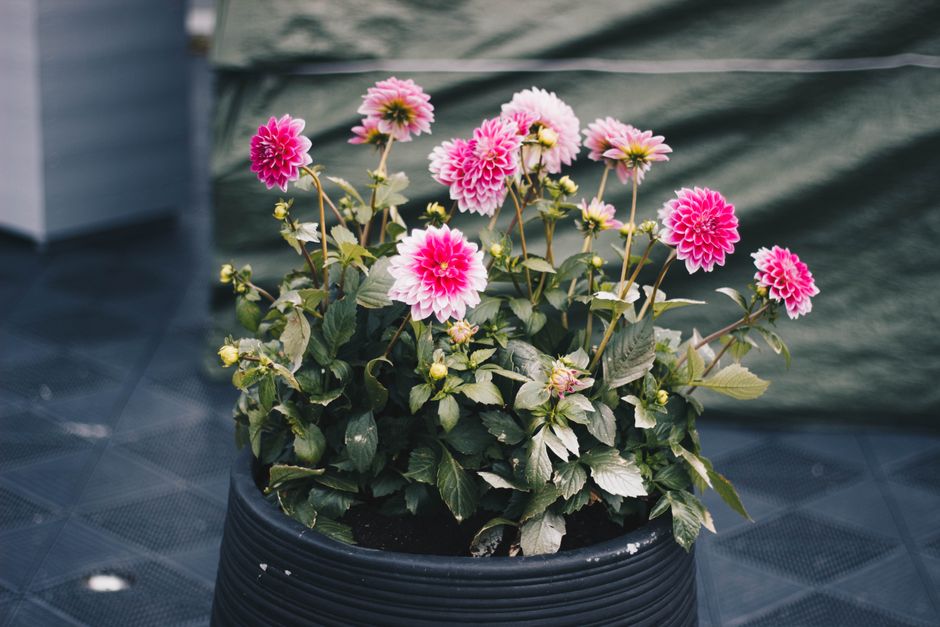
Turnham Green Station planter makeover gardeners case study

If you have ever walked past a station planter that looked tired, patchy, or frankly a bit forgotten, you will know how much difference a proper refresh can make. A well-planned planter makeover does more than brighten a platform entrance or roadside verge. It changes the whole feel of the space. This Turnham Green Station planter makeover gardeners case study looks at the thinking behind that kind of project: how gardeners approach the work, what matters most in a busy public-facing setting, and how to keep the result looking sharp after the initial reveal.
There is a practical side to it, of course. Station planters have to cope with footfall, shade, pollution, wind tunnel conditions, irregular watering, and the occasional enthusiastic kick from a passing suitcase. So the work is not just about making things pretty. It is about choosing plants and materials that can actually survive the job. In the sections below, you will find a clear breakdown of the process, the benefits, common mistakes, compliance considerations, and a realistic checklist you can use whether you are planning a local station upgrade or a similar entrance planting scheme.
Why Turnham Green Station planter makeover gardeners case study Matters
A station planter might seem like a small thing, but it carries more weight than people think. It is one of the first pieces of living design that commuters, visitors, and local residents notice. If it looks messy, the whole entrance feels neglected. If it looks intentional, tidy, and alive, the space suddenly feels more welcoming. Simple really, but powerful.
For a location like Turnham Green, the planter has to work on several levels at once. It should soften hard paving and rail-facing architecture. It should look presentable through the darker months. It should hold shape under daily wear. And it should not become a maintenance headache for the people who have to keep it going. That is why a thoughtful planter makeover matters: it blends visual impact with practical longevity.
In our experience, public or semi-public planting projects fail for the same few reasons. The plants are too delicate. The structure holds too much water, or not enough. The colour palette is all over the place. Maintenance is assumed rather than planned. A good makeover avoids that mess by starting with use, not with looks. Looks come after. Or alongside. You know what I mean.
If you are building a wider seasonal planting plan, it can help to think of the planter work as part of the bigger site picture. Services such as the wider service range and regular garden maintenance matter because a planter makeover is only as strong as its aftercare.
How Turnham Green Station planter makeover gardeners case study Works
A planter makeover usually follows a practical sequence. The exact design will vary, but the logic stays the same. First, gardeners assess the existing planter: its size, drainage, exposure, soil condition, and current planting. Then they decide whether the planter needs a full clear-out, a partial replant, structural repair, or simply better soil and drainage media.
At station level, the work often has to be done around access windows, public movement, and safety constraints. That means timing matters. A gardener cannot just arrive and start digging like it is a private back garden on a quiet Tuesday. There are logistics, and sometimes a surprisingly small working footprint. It is not glamorous, but it is the bit that stops the whole job turning into chaos.
The makeover itself typically includes some combination of the following:
- clearing out dead or failing planting
- refreshing compost or growing media
- improving drainage layers where needed
- selecting hardy, site-appropriate plants
- adding structure through grasses, evergreens, or shrubs
- introducing seasonal colour in a controlled way
- mulching for moisture retention and a cleaner finish
- setting a maintenance rhythm for watering, deadheading, and replacement planting
One of the real strengths of a case-study-led approach is that it keeps the work grounded. Instead of asking, "What looks nice in a catalogue?", gardeners ask, "What works in this exact spot?" That shift changes everything. Shade from canopies, reflected heat from paving, wind exposure, and foot traffic all shape the final outcome.
If the site needs broader tidy-up work before planting begins, a well-timed garden clearance can make the rest of the project much easier. Clearing the old material properly also reduces the risk of burying pests, disease, or compacted debris under the new display. That part matters more than people realise.
Key Benefits and Practical Advantages
A successful planter makeover delivers benefits that go beyond neatness. Yes, it looks better. But the practical gains are just as valuable, especially for stations and other high-visibility sites.
- Better first impressions: People notice tidy, confident planting immediately.
- Lower ongoing hassle: The right plants need less rescue work later.
- More resilient seasonal interest: Good planting looks presentable through changing weather.
- Improved site identity: A considered planter scheme helps a place feel cared for.
- Safer, cleaner edges: Well-managed planters are less likely to spill soil or become overgrown.
- Smarter use of budget: Durable planting usually costs less over time than repeated patch fixes.
There is also a subtle human benefit. Commuters and local visitors tend to relax a little when a space feels looked after. It sounds minor, but it is not. A rough planter with battered foliage signals neglect. A balanced, healthy display suggests stewardship. That sense of care can change how people read the whole environment.
For sites that need visual harmony across multiple elements, planter work can sit alongside landscape gardening or even small hard-landscape adjustments. If the edges, levels, or access routes are awkward, a planter alone may not solve the problem. The whole setting sometimes needs a joined-up approach.
Expert summary: the best station planter makeovers are not the most decorative ones; they are the ones that stay attractive after eight weeks of weather, foot traffic, and ordinary life.
Who This Is For and When It Makes Sense
This type of project makes sense for site managers, property teams, local businesses, and anyone responsible for a public-facing entrance that needs to look consistent all year. It is especially useful when a planter has started to look patchy but the structure itself is still sound. In that case, you do not need to rip everything out. You may just need a better planting plan and a smarter maintenance routine.
It also makes sense when the planter has become hard to manage. Maybe the plants have grown unevenly, maybe watering has become inconsistent, or maybe the original design was always a bit too ambitious for the location. Happens all the time. The fix is not always more plants. Sometimes it is fewer, tougher, better-placed plants.
For homeowners or small commercial sites in the area, the same principles apply. If you want a planter that does not constantly need rescuing, it helps to treat it as a designed system rather than a decorative afterthought. That is especially true in London, where microclimates can be oddly dramatic from one street to the next.
If the project needs ongoing support after the initial makeover, regular visits through maintenance services can keep the display balanced, tidy, and safe-looking. And if the planting is part of a broader external refresh, you may also want to consider landscaping support so the surrounding area matches the new finish.
Step-by-Step Guidance
Here is the practical process gardeners tend to follow when delivering a station planter makeover. It is not fancy, but it works.
1. Assess the planter in context
Look at the whole setting before touching anything. How much sun does the area receive? Is it exposed to wind? Does water pool after rain? Is the planter close enough to public movement that overhanging growth would become a nuisance? These are the questions that decide the design.
2. Clear out weak or failed planting
Remove dead material, weeds, broken stems, and anything that is clearly underperforming. This is the point where many make the mistake of leaving "a bit of green" behind just because it looks salvageable. Sometimes it is salvageable. Sometimes it is just tired.
3. Improve the base
Check the growing medium and drainage. A planter can look good for a week even if the base is poor. After that, the problems start. Add fresh compost or suitable planting medium where needed, and make sure water can move through rather than sitting stagnant at the bottom.
4. Choose plants for the real site conditions
Choose plants that can handle the environment, not just the mood board. Hardy evergreens, structural grasses, and robust seasonal bedding often work well in public or station settings. In shady places, texture matters more than bright colour alone. In windier spots, flexible plants often outperform rigid-looking ones.
5. Plant with structure and rhythm
Think in layers. A strong backdrop, a mid-layer of interest, and lower planting or spill-over at the front usually creates a more settled look. Avoid random spacing. It can look clumsy very quickly, especially in a long linear planter.
6. Mulch and tidy the finish
A thin layer of mulch helps with moisture retention and gives the planter a cleaner, more finished appearance. It also reduces splashing and keeps bare soil from looking exposed. Small touch, big payoff.
7. Set a care routine
Watering, weeding, deadheading, and replacement planting should be planned from day one. A good display is not a one-off event. It is a rhythm. And yes, someone has to keep the rhythm.
Expert Tips for Better Results
Over the years, the strongest planter makeovers have usually had a few things in common. Nothing magical. Just disciplined choices.
- Use fewer plant types, not more. A tight plant palette looks more intentional and is easier to maintain.
- Mix texture as well as colour. Leaves, stems, shapes, and height all contribute to the effect.
- Plan for the worst month, not the best one. Winter and late summer expose design weaknesses fast.
- Repeat key plants for visual calm. Repetition can be kinder on the eye than variety.
- Keep edges neat. A messy planter edge undermines the whole thing, even if the planting is excellent.
- Allow for replacement planting. Some loss is normal in public-facing schemes, so build in flexibility.
A practical tip that saves time: photograph the planter before and after each maintenance visit. Not for vanity. For pattern recognition. You will spot what keeps failing, what survives, and where the weak points really are. That kind of memory is gold when you are managing a site over months rather than days.
Another small thing. Do not overfeed planting in an attempt to make it look greener quickly. It can backfire. Fast growth is not always healthy growth, and in a station context that can create more trimming, more mess, and more cost. Bit of patience goes a long way.
Common Mistakes to Avoid
Most planter problems come from a handful of avoidable mistakes. The good news is that once you know them, they are easy to spot.
- Choosing plants for a showroom, not a station. Delicate species often struggle in exposed public areas.
- Ignoring drainage. Waterlogged planters fail quietly, then suddenly.
- Overcrowding. A packed planter can look full on day one and overcrowded by week three.
- Using too many colours. The result can look noisy rather than fresh.
- Forgetting maintenance access. If staff cannot reach the planter properly, upkeep becomes awkward fast.
- Skipping the clean finish. Soil spills, dead leaves, and uneven edges make even good planting look half-done.
One mistake people often make is treating a makeover as a single event rather than the start of a cycle. Then, three months later, they are frustrated that the display no longer looks like the original photo. Of course it does not. Living planting changes. Weather changes. Seasons change. The point is to make that change graceful.
If the planter area has become cluttered over time, a bit of tidy-up support can help before planting begins. A targeted clearance and reset often prevents avoidable issues later on. If trees or large shrubs are shading the area heavily, then selective tree lopping and removal may be worth considering, provided it is properly assessed and done safely.
Tools, Resources and Recommendations
You do not need a vast toolkit to complete a strong planter makeover, but you do need the right basics. A tidy, efficient job usually depends more on planning and care than on impressive equipment.
| Tool or resource | Why it helps | Best use |
|---|---|---|
| Hand trowels and hand forks | Useful for planting and soil refresh without disturbing nearby roots | Small to medium planters |
| Secateurs | Clean cuts reduce damage to stems and keep the display neat | Deadheading and shaping |
| Watering cans or controlled hoses | Helps deliver water where it is needed without overflow | Initial establishment |
| Mulch | Improves finish and moisture retention | Top dressing and tidy presentation |
| Quality compost or planting medium | Supports healthier root growth | Refresh and replanting |
| Site notes or photo log | Shows what is thriving and what is not | Ongoing maintenance planning |
In practice, the best resource is often a clear maintenance plan. It does not need to be complicated. A simple schedule for watering, grooming, and replacement checks can save a lot of trouble. For teams who want the whole site to feel joined up, a broader service plan through services overview can help align planter care with other outdoor tasks.
If budgets or scheduling are being discussed, the page on pricing and quotes is a sensible place to start. It is always better to understand the scope early rather than improvise halfway through. Truth be told, half-finished planter jobs rarely age well.
Law, Compliance, Standards, or Best Practice
For public-facing planting projects in the UK, compliance is less about one dramatic rule and more about doing ordinary things properly. Safe access, sensible working methods, clean sites, and careful waste handling all matter. If a station area is busy, it is especially important to plan work so that pedestrians are not put at risk and staff can move materials safely.
Good practice usually includes risk-aware scheduling, tidy storage of tools, clear disposal of green waste, and a sensible approach to working near barriers, paths, or transport infrastructure. If access is awkward or the site is busy, the project should be planned around that reality rather than pretending it is a quiet private border.
It is also wise to work with clear site policies on safety, insurance, and complaints handling. Those may sound like admin, but they shape trust. Pages such as health and safety policy, insurance and safety, and complaints procedure exist for a reason: they help set expectations and reduce avoidable confusion.
Where sustainability matters, it is also sensible to think about reuse, recycling, and the right disposal of green material. Planting schemes can look good while still being waste-aware. The two are not in conflict. For more on that approach, recycling and sustainability is a relevant reference point.
And if accessibility is a concern around the station environment, whether for users or for staff carrying out maintenance, then it is worth reviewing the site's accessibility statement and folding those considerations into the practical plan.
Options, Methods, or Comparison Table
Not every planter makeover follows the same method. The right choice depends on the existing planter, budget, and how much maintenance you can realistically commit to.
| Approach | Best for | Pros | Trade-offs |
|---|---|---|---|
| Full replant | Very tired or failed planters | Clean reset, stronger design control | Higher upfront work and cost |
| Partial refresh | Planters with a solid base but patchy planting | Faster, less disruptive | May not fix deeper structural issues |
| Seasonal bedding swap | Sites wanting frequent colour changes | Fresh look, flexible appearance | More maintenance and replacement cycles |
| Structural evergreen scheme | High-visibility sites needing year-round consistency | Stable appearance, lower seasonal drop-off | Less obvious colour impact unless layered carefully |
For station settings, structural evergreen planting with a light seasonal layer is often the most practical middle ground. It keeps things presentable in darker months without leaving the display flat. If the surrounding site also needs shaping or edging, then broader hedge trimming or tailored landscape gardening can support the overall effect.
Case Study or Real-World Example
Here is a realistic example of how a station planter makeover can be approached without overcomplicating it.
A planter near a busy station entrance had become uneven and sparse over time. Some plants were doing fine, but others had failed because of shade, drying winds, and inconsistent watering. The structure itself was still usable, so the solution was not a full rebuild. Instead, the gardeners cleared the dead growth, refreshed the planting medium, and rebuilt the design around hardy, low-fuss plants with stronger year-round structure.
The team kept the palette restrained. That was the key move, really. Rather than trying to force in a dozen different species, they used repeated forms and a couple of seasonal highlights. The result was calmer, cleaner, and much easier to maintain. The planter no longer looked like an experiment that had gone slightly off the rails.
After the initial makeover, the follow-up routine mattered just as much as the planting itself. Water checks were scheduled more consistently, faded material was removed before it became obvious, and the site was monitored for edge damage and debris buildup. That kind of maintenance sounds unexciting, but it is the reason the display held together.
There was also a useful side effect: because the area looked maintained, people treated it more carefully. Not everyone, of course. But enough. Public spaces do respond to care. It is a strange little truth.
For this kind of project, a company background helps build confidence too. If you want to understand the team behind the work, the about us page is a sensible place to start, especially when you are comparing providers and trying to judge whether they seem steady, transparent, and practical.
Practical Checklist
Use this checklist before, during, and after a planter makeover. It is not glamorous, but it keeps the job grounded.
- Assess sunlight, wind, drainage, and foot traffic
- Remove dead, weak, or unsuitable planting
- Check planter structure and repair issues early
- Choose hardy plants suited to the exact site
- Keep the plant mix clear and manageable
- Use mulch or another neat top finish
- Plan how water will reach the planter consistently
- Make maintenance access easy, not awkward
- Set a replacement planting plan for failures
- Record before-and-after photos for future review
- Confirm any safety, insurance, and access needs
- Schedule regular upkeep rather than waiting for decline
One-line reminder: if the plan does not include aftercare, it is not really a plan.
If you are still shaping the scope or want to discuss the right level of work, use the contact page to start the conversation. It is often easier to get the brief right before anyone lifts a trowel.
Get a free quote today and see how much you can save.
Conclusion
A station planter makeover is a small project with a surprisingly large impact. Done well, it improves first impressions, supports the wider site, and makes everyday maintenance more manageable. Done badly, it becomes another thing that needs fixing. The difference usually comes down to site awareness, plant choice, and a realistic care plan.
The strongest takeaway from this Turnham Green Station planter makeover gardeners case study is simple: choose for the real environment, not for the ideal one. Build for durability. Keep the design calm. And plan the follow-up before the first plant goes in. That is how you get a result that still looks good after the weather has had its say.
And honestly, that is the goal. Not perfection. Just a living, tidy, dependable space that does its job quietly, day after day.
Frequently Asked Questions
What is a Turnham Green Station planter makeover gardeners case study?
It is a practical example of how gardeners assess, redesign, and maintain station planters so they look better and perform well in a busy public-facing environment.
Why do station planters need specialist gardening rather than simple planting?
Because station conditions are tougher than most private gardens. There is more foot traffic, more wind, more shade in some places, and less room for trial and error. The planting has to earn its keep.
How often should a station planter be maintained?
That depends on the planting scheme, but regular checks are usually needed. Watering, deadheading, tidying, and replacement work are best handled on a routine rather than waiting for the display to decline.
What plants work best for a planter makeover at a station?
Hardy, resilient plants with strong structure tend to perform best. Evergreen forms, tough seasonal planting, and texture-rich choices are often more reliable than delicate or high-maintenance species.
Can an old planter be refreshed without replacing the whole structure?
Yes, often it can. If the planter body is still sound, a clear-out, soil refresh, and replanting plan may be enough. A full rebuild is not always necessary.
What are the biggest mistakes people make with planter makeovers?
The most common mistakes are poor drainage, overcrowding, choosing the wrong plants for the site, and forgetting that the planter will need ongoing care. That last one catches people out a lot.
How do you keep planter displays looking good in winter?
Use strong structural planting, evergreen elements, and a tidy layout that still works when flowers are limited. Winter interest comes from shape, texture, and neatness as much as colour.
Is a planter makeover expensive?
Costs vary with size, planting choice, access, and whether the work is a refresh or a full reset. The most sensible next step is to get a tailored quote rather than guessing from other projects.
Does a station planter makeover need special safety planning?
Yes. Public-facing work should be planned with safe access, tidy working practices, and clear responsibility for tools, materials, and waste. That is especially important near busy walkways or transport areas.
How do I know if I need landscaping rather than just planter work?
If the planter is only one part of a bigger outdoor issue, such as awkward levels, poor edging, or a disjointed entrance, then broader landscaping may be the better option. Sometimes the planter is the symptom, not the whole problem.
Can I combine planter renewal with other garden services?
Absolutely. It often works better that way. Clearance, maintenance, trimming, or broader landscape work can all support the finished result and make the site easier to manage.
What should I ask before hiring gardeners for this kind of project?
Ask how they assess the site, what they recommend for long-term maintenance, how they handle safety and access, and what sort of aftercare they suggest. Good answers tend to be practical and specific, not vague.